
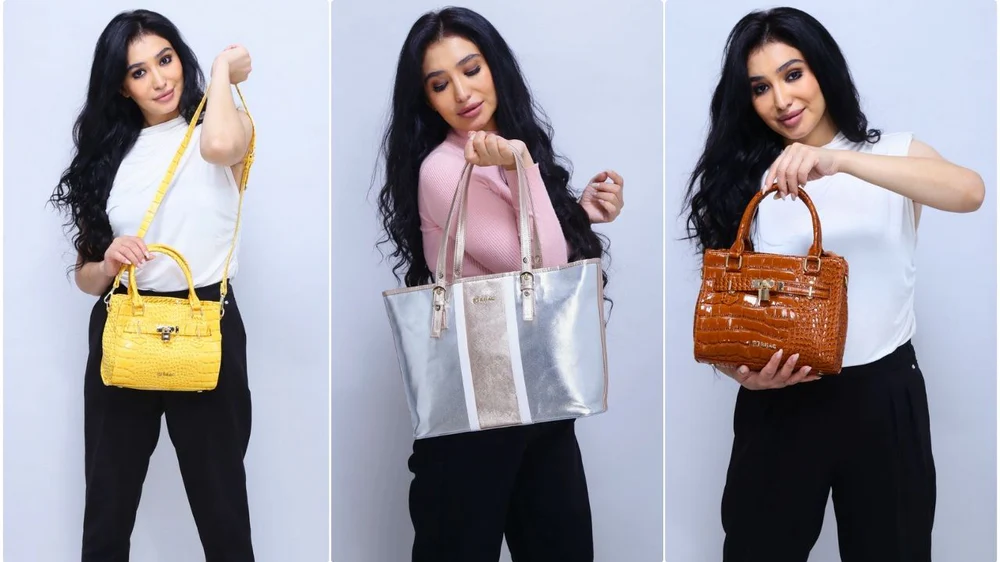

Fashion doesn’t always begin with bold prints or dramatic silhouettes. Often, the most memorable looks start with the simplest pieces. A plain white tee, tailored trousers, or a classic black dress can become powerful style statements when approached thoughtfully.
Mastering topic-styling basics means learning how to transform everyday essentials into outfits that reflect personality, confidence, and intention. Here’s how to elevate simple clothing into standout looks without overcomplicating your wardrobe.
Understanding the Power of Simplicity
Minimal pieces provide a clean foundation. When clothing is understated, it creates space for creativity. Instead of competing elements, you get balance and clarity.
Simple garments work because they:
- Highlight fit and tailoring
- Allow accessories to shine
- Transition easily from casual to formal
- Create a polished, intentional appearance
The key is not adding more—it’s adding purpose.
Start With Fit and Structure
Before styling comes the most important factor: fit. Even the most expensive garment looks unremarkable if it doesn’t fit properly.
Focus on:
- Shoulders aligning naturally
- Sleeves and hems at flattering lengths
- Waist definition where appropriate
- Clean lines without pulling or sagging
A well-fitted basic tee or blazer instantly looks elevated, even without accessories.
Use Accessories as Focal Points
Accessories are where simplicity becomes expression. One bold element can transform an otherwise minimal outfit.
Consider:
- Statement necklaces over plain tops
- Structured or brightly colored handbags
- Oversized sunglasses
- Sculptural or chunky earrings
- Distinct belts to define the waist
The rule: choose one or two strong accents rather than layering everything at once.
Master the Art of Layering
Layering introduces depth and dimension to even the most basic pieces.
Try combinations like:
- White tee + tailored blazer + straight-leg jeans
- Slip dress + cropped jacket
- Button-down shirt under a sleeveless dress
- Knit sweater draped over shoulders
Textures also matter. Mixing cotton, leather, denim, wool, or silk prevents the outfit from feeling flat.
Play With Color Intentionally
You don’t need loud patterns to make an impact. Strategic color use can create strong visual interest.
Approaches that work:
- Monochrome styling (all beige, all black, all white)
- Neutral base with one bold color accent
- Earth tones mixed with structured pieces
- Soft pastels paired with sharp tailoring
Keeping the base simple allows color to feel deliberate instead of overwhelming.
Elevate With Footwear
Shoes can redefine the tone of an outfit instantly.
- Sneakers make tailoring relaxed
- Heels transform denim into evening wear
- Loafers add refinement to basics
- Boots introduce edge
A plain outfit with striking shoes feels styled rather than thrown together.
Incorporate Texture and Fabric Contrast
Texture creates subtle sophistication.
For example:
- Pair matte cotton with glossy leather
- Combine structured denim with soft knits
- Mix silk with chunky wool
Contrast draws attention in a refined way without relying on bold prints.
Define Your Signature Element
Statement styling often comes down to consistency. People remember a look when it reflects identity.
Your signature might be:
- Always wearing bold earrings
- Preferring sharp monochrome outfits
- Styling belts in unique ways
- Layering necklaces in a specific manner
- Choosing architectural handbags
Consistency builds recognition and confidence.
Balance Proportions
A striking look often depends on silhouette harmony.
Consider these combinations:
- Oversized top + fitted bottoms
- Wide-leg trousers + structured top
- Cropped jacket + high-waisted pants
- Flowing dress + structured boots
Balanced proportions create intentional styling instead of accidental layering.
Keep Grooming and Details Sharp
Details elevate simplicity:
- Crisp ironing
- Clean shoes
- Minimal but polished makeup
- Neat hair styling
- Coordinated metals (gold or silver consistency)
These elements make even the most basic outfit feel thoughtfully curated.
When to Add a Bold Piece
Sometimes one standout item is enough:
- A dramatic coat
- A patterned scarf
- A brightly colored suit
- A statement bag
Let that single piece lead the outfit. Everything else should support it.
Confidence Is the Final Layer
Clothing becomes a statement when the wearer feels comfortable and assured. Stand tall, move naturally, and wear pieces that align with your personality.
Simple clothing styled intentionally communicates clarity, strength, and individuality—without shouting.
FAQ: Topic-Styling Basics
1. How can I make a plain white T-shirt look expensive?
Focus on fit, choose high-quality fabric, add structured outerwear, and incorporate refined accessories like leather bags or minimalist jewelry.
2. Is minimalist fashion boring?
Not at all. When styled with texture, proportion balance, and intentional accessories, minimalist fashion looks sophisticated and modern.
3. How many accessories should I wear at once?
Typically one or two statement pieces work best. Too many bold items can compete and reduce visual impact.
4. Can simple outfits work for formal events?
Yes. A tailored black dress or sharp suit styled with elegant heels and refined jewelry easily transitions into formal settings.
5. What colors work best for building a versatile base wardrobe?
Neutrals such as black, white, beige, navy, and gray provide maximum styling flexibility.
6. How do I develop a personal styling signature?
Notice recurring elements in your favorite outfits—such as specific accessories, silhouettes, or color palettes—and refine them consistently.
7. Does fabric quality really matter in simple clothing?
Absolutely. When designs are minimal, fabric texture and construction become more noticeable, making quality essential for a polished look.

Comments are closed.