
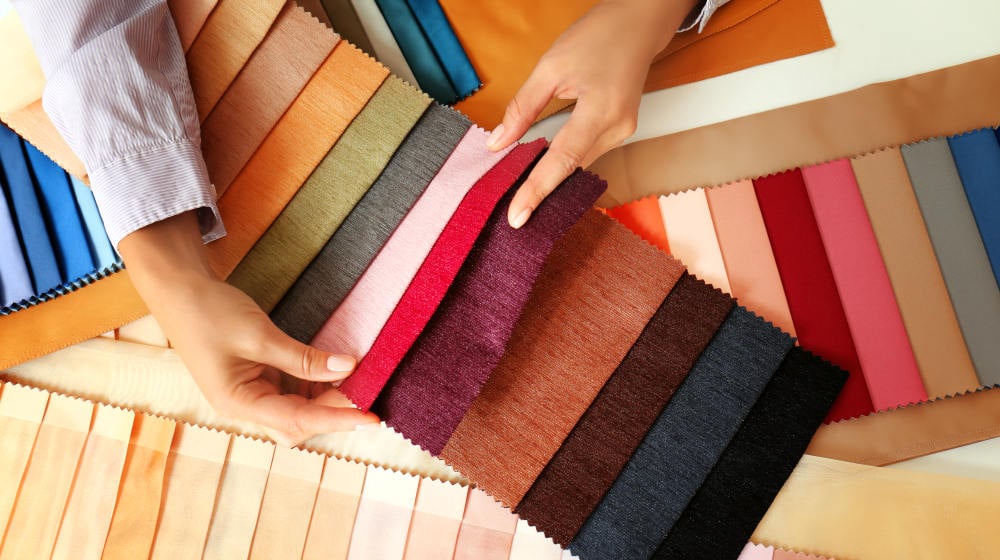

Fabric choice has a direct impact on comfort, durability, and overall style. The right material regulates temperature, manages moisture, and adapts to changing weather conditions. Selecting fabrics by season is less about trends and more about performance.
This guide outlines practical, climate-based fabric choices to help you dress comfortably throughout the year.
Why Fabric Selection Matters
Clothing does more than cover the body. It interacts with your skin, responds to humidity, and affects airflow.
Key factors to consider include:
- Breathability – Allows air circulation and prevents overheating
- Moisture-wicking ability – Moves sweat away from the skin
- Insulation – Retains body heat in cooler weather
- Weight and texture – Influences comfort and layering potential
Understanding these properties helps you build a wardrobe that works with the climate, not against it.
Spring Fabrics: Light but Adaptable
Spring weather can shift from cool mornings to warmer afternoons. Fabrics need flexibility.
Best Fabric Choices for Spring
- Cotton – Breathable, soft, and versatile
- Chambray – Lightweight alternative to denim
- Lightweight wool – Provides warmth without bulk
- Blended fabrics – Offer wrinkle resistance and durability
Cotton is particularly effective during mild temperatures because it allows airflow while maintaining structure. Lightweight wool works well for transitional outerwear and office wear.
What to Avoid
- Heavy synthetics that trap heat
- Thick fleece designed for winter
Spring calls for breathable layers that can be easily added or removed.
Summer Fabrics: Cool and Breathable
High temperatures demand materials that promote ventilation and manage perspiration.
Top Summer Fabric Options
- Linen – Highly breathable and quick-drying
- Cotton (lightweight varieties) – Comfortable and absorbent
- Rayon and viscose – Soft with good airflow
- Seersucker – Textured weave that lifts fabric off the skin
Linen stands out for hot climates due to its loose weave, which improves airflow. Although it wrinkles easily, its cooling properties make it ideal for summer shirts, dresses, and trousers.
Fabrics to Minimize in Heat
- Polyester without moisture-wicking technology
- Heavy denim
- Thick knits
These materials can retain heat and reduce comfort during prolonged exposure to sun.
Fall Fabrics: Texture and Layering
Autumn introduces cooler temperatures and lower humidity. Layering becomes essential.
Recommended Fall Materials
- Denim – Durable and mid-weight
- Corduroy – Ribbed texture adds insulation
- Flannel – Soft, brushed cotton for warmth
- Mid-weight wool – Ideal for jackets and sweaters
Flannel works well for shirts and overshirts, offering warmth without excessive heaviness. Corduroy adds both texture and seasonal character.
Layering lighter fabrics under structured outerwear allows flexibility throughout the day.
Winter Fabrics: Insulation and Protection
Cold weather requires materials that trap heat while protecting against wind and moisture.
Best Winter Fabric Choices
- Wool (including merino) – Natural insulation and moisture management
- Cashmere – Lightweight yet warm
- Fleece – Effective synthetic insulation
- Down-filled materials – Superior warmth-to-weight ratio
Wool remains one of the most reliable winter fabrics due to its ability to retain warmth even when slightly damp. Merino wool is softer and suitable for base layers.
Fabrics to Limit in Winter
- Thin cotton layers worn alone
- Lightweight linens
- Unlined synthetic fabrics
Without proper layering, these materials offer minimal insulation.
Understanding Natural vs. Synthetic Fabrics
Both categories serve different purposes.
Natural Fabrics
- Cotton
- Linen
- Wool
- Silk
Advantages:
- Breathable
- Biodegradable
- Comfortable against skin
Limitations:
- May wrinkle easily
- Can shrink without proper care
Synthetic Fabrics
- Polyester
- Nylon
- Acrylic
- Spandex
Advantages:
- Durable
- Wrinkle-resistant
- Often moisture-wicking
Limitations:
- May trap heat
- Less breathable without advanced technology
Blended fabrics often combine the strengths of both.
Climate Considerations Beyond Seasons
Geographic location matters as much as the calendar.
- Humid climates require breathable, moisture-wicking fabrics
- Dry heat benefits from loose weaves like linen
- Windy areas demand tightly woven outer layers
- Snowy regions need water-resistant or insulated materials
Always factor in your local conditions rather than relying solely on seasonal labels.
Fabric Weight and GSM Explained
GSM (grams per square meter) measures fabric density.
- Under 150 GSM – Lightweight (summer wear)
- 150–350 GSM – Mid-weight (transitional seasons)
- 350+ GSM – Heavyweight (winter garments)
Checking fabric weight provides a practical way to assess seasonal suitability when shopping.
Building a Season-Ready Wardrobe
A functional wardrobe includes fabrics suited for rotation.
Core essentials might include:
- Lightweight cotton shirts
- Linen summer pieces
- Mid-weight denim
- Wool sweaters
- Insulated outerwear
Investing in quality fabrics ensures longevity and consistent comfort year after year.
Final Thoughts
Choosing the right fabrics for each season improves comfort, performance, and durability. Breathability matters in heat. Insulation becomes essential in cold weather. Transitional months benefit from adaptable layers.
When fabric selection aligns with climate and lifestyle, clothing works efficiently—without compromise.
Frequently Asked Questions (FAQs)
1. Is silk suitable for all seasons?
Silk regulates temperature well but is generally better for mild to cool conditions. In very hot weather, it may not absorb moisture as effectively as cotton or linen.
2. How can I tell if a fabric is breathable before buying?
Check the weave and weight. Looser weaves and lighter fabrics typically allow better airflow. Natural fibers also tend to be more breathable.
3. Are synthetic fabrics always bad for summer?
Not necessarily. Performance synthetics designed for athletic wear often include moisture-wicking technology that works well in hot weather.
4. What is the best fabric for sensitive skin?
Soft, natural fibers such as cotton, bamboo-derived fabrics, and merino wool are often gentler on sensitive skin.
5. How does humidity affect fabric choice?
High humidity makes moisture management crucial. Fabrics that dry quickly and allow airflow perform better in damp climates.
6. Should fabric weight change for layering?
Yes. Lightweight base layers combined with insulating mid-layers create better temperature control than wearing one heavy piece.
7. How can I make seasonal fabrics last longer?
Follow care instructions carefully, avoid excessive heat during washing or drying, and store off-season garments in dry, ventilated spaces.

Comments are closed.