
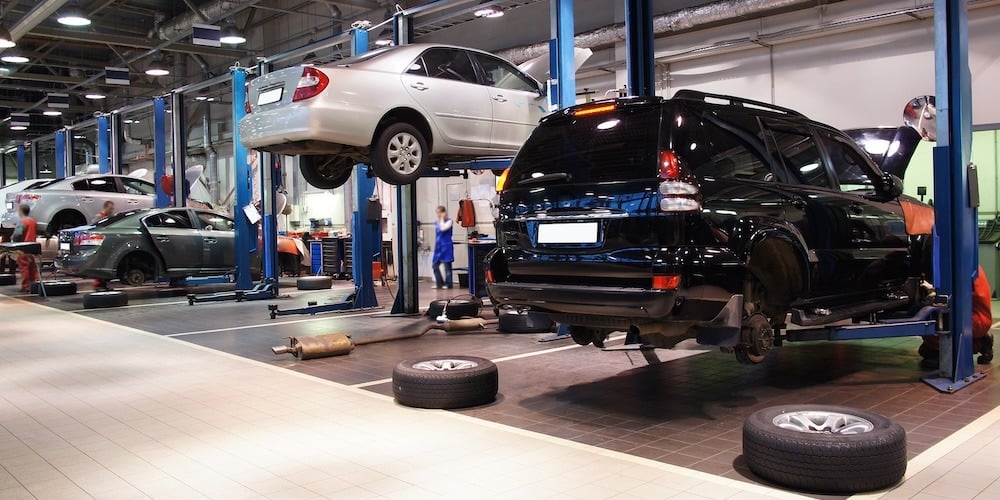

Every car owner knows that regular maintenance is essential to keep a vehicle running smoothly, but not everyone recognizes the subtle signs that indicate when professional attention is needed. Ignoring early warning signs can turn small issues into major, costly repairs. Understanding the signs it’s time to visit an auto repair shop helps protect your investment, ensures safety, and maintains the vehicle’s performance and reliability.
When you notice anything unusual about your vehicle’s behavior, sound, or feel, it’s usually your car’s way of communicating that something isn’t right. Skilled technicians can diagnose the issue precisely, preventing further damage and saving you from expensive repairs later.
Unusual Noises Coming from the Engine or Wheels
Cars are designed to operate quietly and smoothly. When you start hearing strange sounds, it’s often the first sign something needs attention. The type and timing of the noise can reveal a lot about the underlying issue.
Common Sounds That Signal Trouble
- Squealing or screeching: Often caused by worn serpentine or brake belts. When belts lose tension or become cracked, they can slip and create high-pitched noises.
- Knocking or tapping: May indicate problems with the engine’s internal components like rod bearings, pistons, or valves. Ignoring this can lead to serious engine failure.
- Grinding sounds: Usually linked to worn brake pads or damaged rotors. Continuing to drive in this condition can compromise braking efficiency and safety.
- Clunking or thudding: Often points to suspension or steering issues, such as worn-out control arm bushings or ball joints.
If you notice any of these noises, schedule an inspection as soon as possible to prevent further damage and ensure safe driving conditions.
Warning Lights Illuminating on the Dashboard
Modern vehicles use onboard diagnostics to alert you to potential problems. When a dashboard light appears, it should never be ignored.
Key Dashboard Lights and Their Meaning
- Check Engine Light: This is the most common indicator. It can range from a loose gas cap to a failing catalytic converter. If the light is flashing, it means the problem is urgent and may damage the engine if ignored.
- Oil Pressure Warning Light: Indicates low oil pressure, which can quickly lead to engine damage. Stop driving immediately and have the oil level checked.
- Battery Warning Light: Suggests charging system issues. You might have a weak alternator, damaged battery cables, or a failing battery.
- Brake Warning Light: Could mean low brake fluid, worn pads, or a more severe hydraulic issue.
Even if the car seems to run fine, dashboard lights signal that the computer system has detected a fault. Visiting an auto repair shop promptly allows technicians to retrieve diagnostic trouble codes and fix the root cause before it worsens.
Poor Engine Performance or Reduced Power
If your car struggles to accelerate, idles roughly, or hesitates during gear changes, these are signs that performance is compromised.
Potential Causes
- Clogged fuel or air filters restricting airflow and fuel delivery.
- Failing spark plugs or ignition coils causing misfires and poor combustion.
- Fuel injector buildup resulting in inconsistent fuel delivery.
- Sensor malfunctions such as oxygen or mass airflow sensors sending inaccurate readings.
A loss of power could stem from multiple issues interacting at once. Technicians use scan tools, pressure tests, and live data analysis to locate the exact cause efficiently.
Strange Vibrations or Shaking
When a vehicle begins to shake or vibrate abnormally, it’s a clear indicator that mechanical alignment or balance has been compromised.
Common Vibration Sources
- Tire imbalance or uneven wear often causes vibration at specific speeds.
- Warped brake rotors make the steering wheel shake during braking.
- Worn suspension components such as control arms, tie rods, or bushings can create instability.
- Engine or transmission mounts that have deteriorated can cause vibrations during acceleration or when idling.
Ignoring persistent vibrations can lead to more extensive wear across multiple systems, including steering, suspension, and drivetrain components.
Leaking Fluids Under the Vehicle
Any fluid leakage under your car is a cause for concern. Fluids serve critical roles in lubrication, cooling, and hydraulic functions.
Identifying Leaks by Color and Location
- Red or pink fluid: Often transmission or power steering fluid.
- Brown or black fluid: Typically engine oil.
- Green, orange, or yellow fluid: Coolant or antifreeze leak.
- Clear fluid: Could be water condensation from the air conditioning system, which is normal, but verify to be sure.
- Dark red fluid: Indicates a possible differential or brake fluid issue.
Leaking fluids reduce system efficiency and can cause overheating, poor lubrication, or total system failure if not repaired.
Unusual Exhaust Smoke
Your vehicle’s exhaust system gives clear signs of underlying problems through the color and density of smoke emitted.
Smoke Color Meanings
- Blue smoke: Indicates oil burning due to worn piston rings, valve seals, or turbocharger issues.
- White smoke: Usually coolant entering the combustion chamber, signaling a head gasket failure or cracked cylinder head.
- Black smoke: Points to excess fuel burning, often due to faulty injectors, sensors, or air intake restrictions.
A professional inspection is necessary because continued driving with these conditions can severely damage the engine or emissions system.
Difficulty Starting the Engine
If your car cranks longer than usual or fails to start entirely, it may signal electrical, fuel delivery, or ignition system problems.
Common Reasons for Starting Issues
- Weak or dead battery
- Faulty alternator
- Fuel pump failure
- Corroded terminals or bad starter motor
An auto repair shop can test the entire starting and charging system to pinpoint the exact cause. Replacing a battery when the alternator is bad, for instance, would not solve the issue.
Burning Smells or Unusual Odors
A strong, unusual odor is another warning sign that shouldn’t be ignored. Different smells can help pinpoint specific issues.
Distinct Smells and What They Mean
- Burning oil: Usually oil leaking onto hot engine parts.
- Sweet, syrupy smell: Indicates a coolant leak from the radiator or heater core.
- Burning rubber: Caused by slipping belts or hoses touching hot surfaces.
- Gasoline odor: May come from a fuel line leak or evaporative emission control problem.
Ignoring these smells can lead to fire hazards or engine damage, so it’s best to get the vehicle checked promptly.
Transmission Problems
Transmission issues often start subtly and worsen over time. Addressing them early prevents expensive rebuilds or replacements.
Common Transmission Warning Signs
- Slipping gears during acceleration or when shifting.
- Delayed engagement when shifting from park to drive or reverse.
- Burning smell or fluid leaks from the transmission area.
- Grinding or whining noises during gear changes.
Transmission diagnostics involve checking fluid quality, pressure tests, and computer-controlled shift behavior. Skilled technicians can determine whether a simple fluid service or a full rebuild is necessary.
Steering Difficulties or Unstable Handling
Safe driving relies heavily on responsive steering and stable handling. If the vehicle begins to feel loose or unsteady, it’s time for inspection.
Common Handling Issues
- Pulling to one side: Often caused by wheel alignment problems or uneven tire pressure.
- Steering wheel vibration: Indicates balance issues or worn tie rods.
- Excessive play or stiffness: Could be due to failing power steering components or low fluid levels.
- Uneven tire wear: Suggests misalignment or damaged suspension parts.
Professional evaluation ensures that all steering and suspension components work harmoniously to keep your car safe on the road.
Brake System Warning Signs
Your brakes are the most critical safety feature in your vehicle. Any irregularity in braking performance requires immediate attention.
Indicators of Brake Trouble
- Squealing or grinding sounds: Usually worn brake pads or damaged rotors.
- Soft or spongy brake pedal: May indicate air in the hydraulic system or a fluid leak.
- Vibration while braking: Suggests warped rotors or uneven pad wear.
- Pulling to one side: Could be a stuck caliper or uneven braking pressure.
Delaying brake service compromises safety and increases the cost of repairs. A thorough brake inspection will determine whether pads, rotors, or hydraulics need replacement.
Decrease in Fuel Efficiency
A sudden drop in gas mileage often signals that the engine is not operating efficiently. Causes may include:
- Dirty air filters restricting airflow
- Failing oxygen sensors affecting fuel trim
- Underinflated tires increasing rolling resistance
- Faulty spark plugs or misfiring cylinders
- Clogged fuel injectors or leaking fuel system components
Addressing these issues promptly not only restores fuel economy but also reduces emissions and prevents more serious engine problems.
Electrical System Malfunctions
Modern cars rely heavily on electrical systems for nearly every function. Signs of electrical problems include:
- Dimming headlights or interior lights
- Malfunctioning power windows or locks
- Dashboard lights flickering
- Battery warning or charging system alerts
These issues can stem from a weak alternator, bad wiring, corroded terminals, or parasitic drains. An electrical system diagnostic test will isolate the fault.
When to Act Immediately
While some signs indicate developing problems, others require urgent attention to prevent breakdowns or safety risks.
Situations Requiring Immediate Repair
- Engine overheating or coolant loss
- Loss of oil pressure
- Brake warning light illumination
- Steering failure or excessive play
- Smoke from under the hood
- Fuel odor inside the cabin
Driving under these conditions can cause severe damage or even make the vehicle unsafe to operate.
Real-World FAQ
What should I do if my check engine light turns on but the car seems fine?
Even if performance seems normal, it’s important to have the system scanned for trouble codes. The light signals that your vehicle’s computer has detected an abnormal condition that could worsen over time.
Is it normal for my brakes to squeak after rain or washing the car?
Light squeaks after moisture exposure are normal due to surface rust on rotors. However, persistent squealing or grinding indicates worn pads or other issues that need inspection.
Can I still drive with a small oil leak?
While small leaks might seem harmless, they can worsen and cause low oil levels, leading to engine damage. Have it checked soon to determine the cause and severity.
Why does my steering wheel shake at highway speeds?
This often points to tire balance or alignment issues. Continuing to drive like this accelerates tire wear and can strain suspension components.
How often should I visit an auto repair shop for a general check-up?
A general inspection every 6 months or 6,000 miles helps identify developing problems early. For older or high-mileage vehicles, more frequent visits are advisable.
Can poor maintenance void my vehicle’s warranty?
Yes. Skipping scheduled services or ignoring warning signs can void warranty coverage. Keeping records of repairs and inspections proves maintenance compliance.
Recognizing the signs it’s time to visit an auto repair shop is one of the smartest habits any vehicle owner can develop. Early detection and prompt professional inspection preserve vehicle performance, ensure safety, and prevent unexpected breakdowns. In the long run, proactive care always costs less than reactive repairs.

Comments are closed.